

Impact of RB1 Gene on Ocular Oncology
Impact of the RB1 Gene on Ocular Oncology: Advancing Diagnosis Through Genomics and CSF Analysis
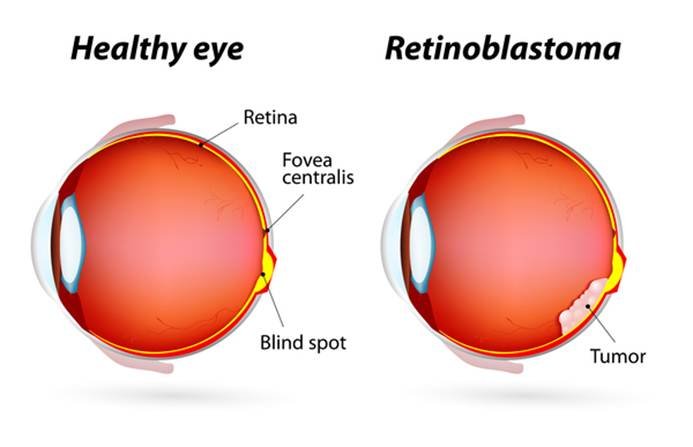
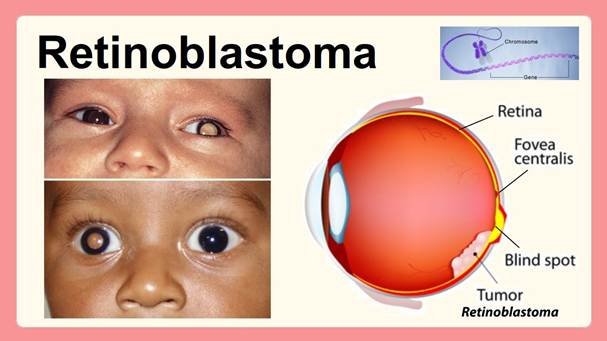
Retinoblastoma is the most common primary intraocular cancer in children, affecting nearly 1 in 15,000–20,000 live births worldwide. Early diagnosis is essential for preserving vision and improving survival. Over the past decade, advances in molecular genetics and Next-Generation Sequencing (NGS) have established the RB1 gene as the cornerstone of retinoblastoma research and clinical management. Today, Next Generation Sequencing, modern genomic technologies, and cerebrospinal fluid (CSF)-based liquid biopsy are reshaping how ocular cancers are diagnosed, monitored, and treated.
What is the RB1 Gene?
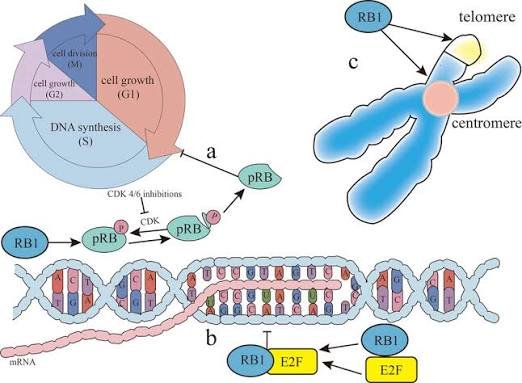
The RB1 (Retinoblastoma 1) gene, located on chromosome 13q14, is a tumor suppressor gene responsible for regulating the cell cycle. It produces the retinoblastoma protein (pRB), which prevents uncontrolled cell division by controlling the transition from the G1 phase to the S phase.
When both copies of the RB1 gene become inactivated, retinal cells begin to proliferate uncontrollably, leading to the development of retinoblastoma. Today, Next-Generation Sequencing (NGS) enables comprehensive detection of RB1 alterations, allowing clinicians to identify disease-causing variants with greater accuracy than conventional testing methods.
The Impact of RB1 Mutations in Ocular Oncology
RB1 mutations play a crucial role in the development and progression of ocular tumors. Their clinical impact includes:
- Initiation of retinoblastoma through loss of tumor suppressor activity.
- Bilateral disease in patients with inherited (germline) mutations.
- Increased risk of secondary malignancies later in life.
- Better understanding of tumor prognosis and treatment response through Next-Generation Sequencing.
- Improved genetic counseling and family risk assessment using molecular profiling.
- Foundation for precision medicine in pediatric ocular oncology supported by Next-Generation Sequencing (NGS).
Understanding RB1 alterations through Next-Generation Sequencing enables clinicians to make informed decisions regarding surveillance, treatment planning, and long-term patient care.
Diagnosis of RB1-Associated Retinoblastoma
Accurate diagnosis requires a combination of clinical examination and advanced molecular testing. Common diagnostic approaches include:
- Ophthalmic examination and fundoscopy
- Optical imaging and MRI
- Next-Generation Sequencing (NGS)
- Sanger sequencing for variant confirmation
- Copy Number Variation (CNV) analysis
- Genetic counseling for hereditary cases
Next-Generation Sequencing (NGS) has become the preferred approach because it can simultaneously detect single nucleotide variants, insertions/deletions, and copy number alterations in the RB1 gene with high sensitivity. Compared with traditional sequencing techniques, Next-Generation Sequencing provides comprehensive genomic profiling, making it an indispensable tool for precision diagnosis in ocular oncology.
The Emerging Role of CSF in Ocular Oncology
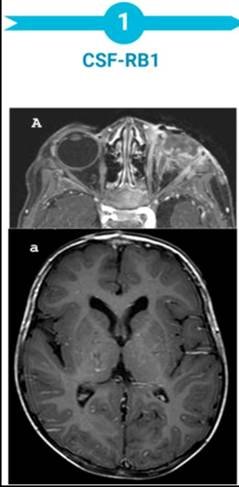
Obtaining tumor tissue from retinoblastoma patients is generally avoided due to the risk of spreading tumor cells outside the eye. This has increased interest in liquid biopsy, particularly cerebrospinal fluid (CSF) analysis.
CSF can contain cell-free tumor DNA (ctDNA) released by cancer cells. Next-Generation Sequencing of ctDNA obtained from CSF provides valuable genomic information without requiring invasive tumor biopsies. Combining CSF-based liquid biopsy with Next-Generation Sequencing enables clinicians to identify clinically relevant RB1 mutations and monitor disease progression in real time.
Benefits of CSF-Based Genomic Analysis Using Next-Generation Sequencing
- Detects RB1 mutations with high sensitivity using Next-Generation Sequencing
- Supports early molecular diagnosis
- Monitors treatment response through serial NGS-based testing
- Identifies residual or recurrent disease
- Enables minimally invasive disease surveillance
- Facilitates precision oncology approaches with comprehensive genomic profiling
CSF-based genomic profiling using Next-Generation Sequencing (NGS) is emerging as a powerful tool for managing advanced ocular tumors and guiding personalized treatment strategies.
The Future of Ocular Oncology
The integration of RB1 genetic testing, CSF-based liquid biopsy, and Next-Generation Sequencing (NGS) is transforming ocular oncology. These technologies enable earlier diagnosis, more accurate risk assessment, comprehensive genomic profiling, and personalized treatment decisions while minimizing invasive procedures.
As precision medicine continues to evolve, Next-Generation Sequencing will play an increasingly important role in improving outcomes for children with retinoblastoma by enabling rapid mutation detection, disease monitoring, and individualized therapeutic strategies.
Conclusion
The RB1 gene remains the genetic cornerstone of retinoblastoma and modern ocular oncology. Advances in molecular diagnostics particularly Next-Generation Sequencing (NGS) and CSF-based genomic analysis are providing clinicians with safer, faster, and more accurate methods for detecting and monitoring disease. By integrating Next-Generation Sequencing into routine clinical practice, healthcare providers can improve early diagnosis, support precision medicine, guide targeted treatment decisions, and ultimately achieve better long-term outcomes for pediatric patients with retinoblastoma.